


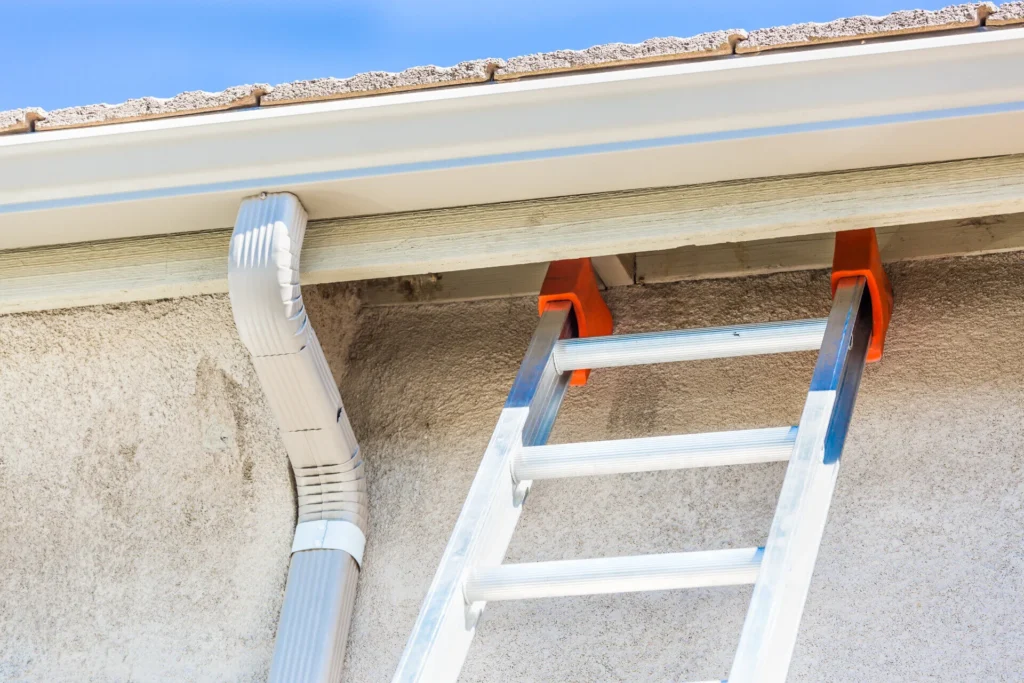
Hailstorms can inflict significant damage to residential gutter systems, compromising their functionality and potentially leading to more severe issues for your home. In Colorado alone, hail has caused over $3 billion worth of reported damages over a ten-year period, with the state ranking second in the nation for hail claims according to the Rocky Mountain Insurance Information Association. This comprehensive guide examines how hail impacts gutter systems, the various types of damage that can occur, and the critical steps homeowners should take to address these issues promptly.
Types of Gutter Hail Damage
Hailstorms can damage your gutters in several distinct ways, with the severity often depending on both the size of the hailstones and the material of your gutters. Understanding these different types of damage will help you better assess your situation after a storm.
Dents and Dings
Dents are the most common form of hail damage to gutter systems. When hailstones impact your gutters, they leave behind indentations of varying sizes depending on the hail’s diameter and force. While minor dents may appear to be merely cosmetic issues, they actually diminish the overall durability of your gutters, making them more susceptible to further damage in future storms. Even small dents can eventually compromise the structural integrity of the gutter channel, potentially altering water flow patterns.
Cracks and Splits
When hailstones strike with sufficient force, they can cause more severe damage in the form of cracks or splits along the gutter surface. This type of damage is particularly problematic as it directly compromises the gutter’s primary function of channeling water away from your home. Cracked gutters lead to leakage, allowing water to escape through the damaged areas instead of being properly directed through the downspouts[2]. This uncontrolled water flow can subsequently damage your home’s siding and create pools of water around your foundation, potentially leading to serious structural issues over time.
Dislodged or Bent Gutters
Particularly large or forceful hailstones can physically knock gutters out of alignment or bend them. Sometimes, the mere accumulation of hailstones within the gutter channels can add sufficient weight to pull them away from the fascia board. When gutters become dislodged or bent, water flow is disrupted, often causing overflow that can damage your home’s exterior surfaces and foundation. This type of damage frequently requires professional attention to realign or replace the affected sections.
Punctures and Holes
In cases of severe hailstorms with large hailstones, the impact may be forceful enough to puncture or create holes in the gutter material. This represents one of the most critical forms of damage, as it creates direct pathways for water to escape the gutter system entirely. These punctures can lead to extensive water damage to your home’s foundation, walls, and surrounding landscape if not promptly addressed. Gutter systems with puncture damage typically require immediate replacement of the affected sections.
Identifying Hail Damage to Your Gutters
After a hailstorm passes through your area, it’s crucial to thoroughly assess your gutter system for signs of damage. Prompt identification of issues can prevent more extensive problems from developing.
Visible Signs of Damage
The most obvious indicators of hail damage are visual cues that can be observed during a careful inspection of your gutter system. Look for dents along the gutter channels, which appear as dimples or uneven surfaces disrupting the normally smooth contour of the gutters. Check for cracks or splits in the material, especially at points where dents are particularly deep or numerous. Examine whether any sections of the gutter have pulled away from the fascia board or if the alignment appears compromised. Additionally, inspect the downspouts for any blockages, breaks, or visible damage that might impede water flow.
Hidden Signs of Damage
Beyond the obvious visual indicators, hail damage can manifest in subtle ways that require closer inspection. Examine the fascia board to which your gutters are attached, as it can sustain damage that weakens its ability to support the gutter system. Look for networks of tiny cracks or scratches in the paint covering your gutters and downspouts, as these microscopic damages can eventually lead to rust and rot by compromising the protective finish. Test the stability of your gutters by gently tugging on them to check for any wobbling or movement, which could indicate loose hangers damaged during the hailstorm.
Material-Specific Damage Patterns
Different gutter materials respond differently to hail impact. Vinyl and aluminum gutters, being lighter and more malleable, typically show damage more readily than their heavier counterparts. Copper and steel gutters, while more durable, may still sustain damage from larger hailstones, though it might be less immediately apparent. Understanding the specific vulnerabilities of your gutter material can help you conduct a more effective inspection.
Steps to Take After Hail Damage
When you discover that your gutters have sustained hail damage, taking the appropriate actions in the correct sequence can save you time, money, and frustration.
Immediate Assessment
As soon as it’s safe to do so after a hailstorm, conduct a preliminary inspection of your gutter system. Walk around your home’s perimeter and look for obvious signs of damage like dents, cracks, or sections that appear to be hanging loose. Check below downspouts for granules from roof shingles, which might indicate damage to your roof as well as your gutters. Document all damage with photographs and detailed notes, as this information will be valuable for insurance claims.
Contact Your Insurance Company
Before proceeding with repairs or contacting contractors, notify your insurance provider about the hail damage. Your gutters are considered part of your home structure and should therefore be covered under your homeowner’s insurance policy. The insurance company will send an adjuster to assess the damage and determine compensation according to your policy coverage. Having documentation of the damage ready for the adjuster’s visit can expedite the claims process.
Professional Inspection and Repair
After initiating the insurance claim, contact professional contractors in the appropriate order. First, have a roofing company inspect your roof, as hail damage often affects both the roof and gutters. After the roof assessment, bring in a specialized gutter company rather than relying on general contractors or handyman services. Specialists have the expertise and proper materials to correctly repair or replace damaged gutter components, ensuring optimal functionality is restored. Verify the credentials of any company you’re considering by checking their Better Business Bureau rating and customer reviews.
Temporary Solutions
While waiting for professional repairs, you may need to implement temporary fixes to prevent further damage. For minor dents, a rubber mallet can be used to gently tap out the indentation, working from the edges toward the center. Small cracks can be temporarily sealed with roofing cement, a flexible, water-resistant material that can prevent leaks until permanent repairs are made. Remember that these measures are stopgap solutions only and should not replace professional repairs.
Insurance Considerations for Gutter Hail Damage
Understanding the insurance aspects of gutter hail damage can help ensure you receive appropriate compensation for necessary repairs.
Coverage Scope
Most homeowners insurance policies include coverage for hail damage to gutters since they’re considered an integral part of your home’s structure. The typical policy will cover repair or replacement costs for damage that occurs due to circumstances beyond your control, such as hailstorms. However, coverage details can vary between insurers and policies, so it’s advisable to review your specific policy provisions regarding exterior structures and storm damage.
Claims Process
When filing an insurance claim for gutter hail damage, timing is critical. Contact your insurance company as soon as possible after discovering the damage, as delays could potentially affect your claim’s approval. The insurance company will dispatch an adjuster to your property to evaluate the extent of the damage and determine the appropriate compensation. Having detailed documentation, including photographs and notes from your own inspection, can support your claim and help ensure fair assessment.
Working with Adjusters
When the insurance adjuster visits your property, being prepared can facilitate a more thorough assessment. Point out all areas of damage you’ve identified, including less obvious issues like tiny cracks or loose fasteners. Some gutter companies provide insurance guides that outline industry-standard repair costs and considerations specific to gutter systems, which can be helpful resources during the adjuster’s evaluation. Remember that adjusters should assess all components of your gutter system, including downspouts, extensions, and covers if applicable.
Prevention and Material Considerations
While you cannot prevent hailstorms, you can make informed decisions that might minimize damage and better prepare your home for future weather events.
Gutter Material Selection
The material of your gutters significantly influences their resilience against hail damage. Heavier, more durable materials like copper and steel tend to withstand hail impact better than lighter options such as vinyl and aluminum. However, these more resilient materials typically come with higher cost implications. When replacing damaged gutters or installing a new system, consider the prevalence of hailstorms in your region and weigh the initial investment against potential long-term savings from reduced repair needs.
Regular Maintenance
Well-maintained gutters are generally better equipped to withstand hailstorms. Regular cleaning removes debris that could add weight to gutters during storms or impede water flow after damage occurs. Inspecting and tightening fasteners periodically ensures that your gutter system is securely attached, reducing the risk of sections becoming dislodged during hail events. Additionally, prompt repair of minor issues prevents them from evolving into major vulnerabilities when severe weather strikes.
Professional Inspections
Even without visible damage, having your gutter system professionally inspected after significant hailstorms is advisable. Professional gutter specialists can identify subtle signs of damage that might escape notice during a homeowner’s inspection. They can also assess the overall condition of your gutter system and recommend preventative measures specific to your home and local climate conditions.
Conclusion
Hail damage to gutters represents a significant concern for homeowners, particularly in regions prone to severe storms. The impact of hail can range from cosmetic dents to serious structural compromises that affect your gutter system’s functionality and potentially lead to water damage throughout your home. By understanding the types of damage that can occur, knowing how to identify issues promptly, and following the appropriate steps for assessment, insurance claims, and repairs, you can effectively manage the aftermath of a hailstorm.
Choosing appropriate gutter materials and maintaining your system regularly can provide some measure of protection against future storm damage. However, when hail does strike, acting quickly and enlisting professional assistance are the most effective strategies for minimizing long-term consequences. Remember that gutters play a crucial role in protecting your home’s foundation and exterior from water damage, making their proper function essential to your property’s overall integrity and value.